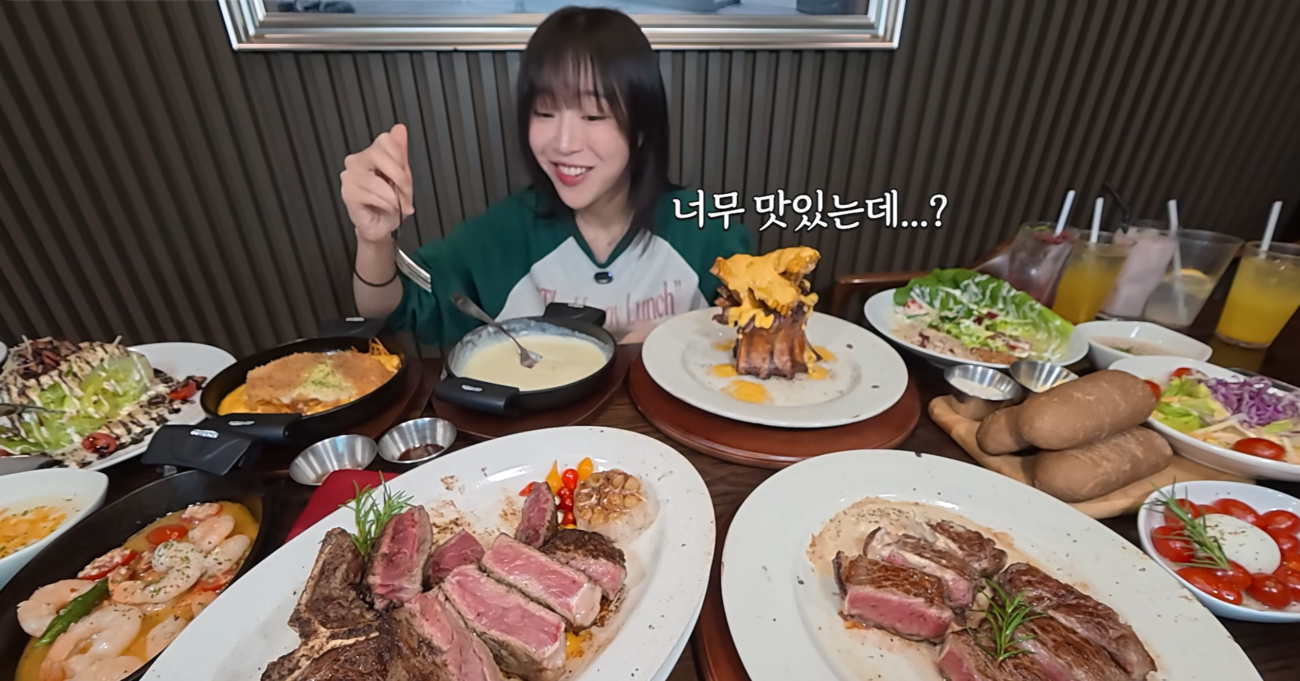
YouTube Tightens Rules on Binge-Eating Content, Putting Mukbang Creators’ Revenue at Risk
YouTube is tightening its policies on content involving binge eating and eating disorders, leaving some popular mukbang creators at risk of losing their advertising revenue.
According to reports from South Korea’s entertainment industry on September 21, several mukbang YouTubers have recently faced restrictions on monetization following stricter enforcement of YouTube’s advertising guidelines.
Mukbang creator Salbbaecho recently announced on the community section of his channel that monetization had been suspended.
He explained that YouTube had recently strengthened its guidelines concerning binge eating and eating disorders, resulting in stricter measures against channels featuring related content.
“I am currently working with my company to find a solution,” he said, adding that he had temporarily stopped uploading videos because he was unsure which content could trigger further penalties.
Another YouTuber, Miso, also recently spoke about similar difficulties. On September 15, she uploaded a video explaining why she had been forced to delete four years’ worth of videos.
According to Miso, she first received an email from YouTube in mid-March notifying her of a potential guideline violation. By the end of March, she received another warning and was informed that her channel’s monetization would be temporarily suspended.
YouTube is reportedly increasing its monitoring of content under its advertising and monetization policies.
Under the tightened guidelines, content involving eating disorders, binge eating, hiding food, excessive food accumulation, or the misuse of laxatives may face restrictions on advertising revenue when the material could encourage viewers to imitate potentially harmful behavior.
The policy is reportedly being applied not only to newly uploaded videos but also to older content already published on channels.
The changes could have a significant impact on mukbang creators, whose businesses often depend heavily on advertising revenue generated from food-related videos.